7 Major Procurement Pain Points for Nonwoven Fabric Sellers
7 Major Procurement Pain Points for Nonwoven Fabric Sellers: How Manufacturers Can Help You Avoid Pitfalls, Cut Costs, and Ensure Steady Growth
For nonwoven fabric traders, brand distributors, cross-border sellers, and manufacturers of finished goods, supply chain quality directly determines the ceiling of business success. Many sellers may appear to have a steady stream of orders, but in reality, they are constantly plagued by issues such as misrepresented fabric weight (grammage), inconsistent quality across batches, delayed deliveries, and a lack of accountability in after-sales service. Materials purchased at a "low price" often end up costing far more due to the need for rework, product returns, and customer complaints—not to mention the risk of supply shortages during peak seasons, which can cause you to miss critical market opportunities.
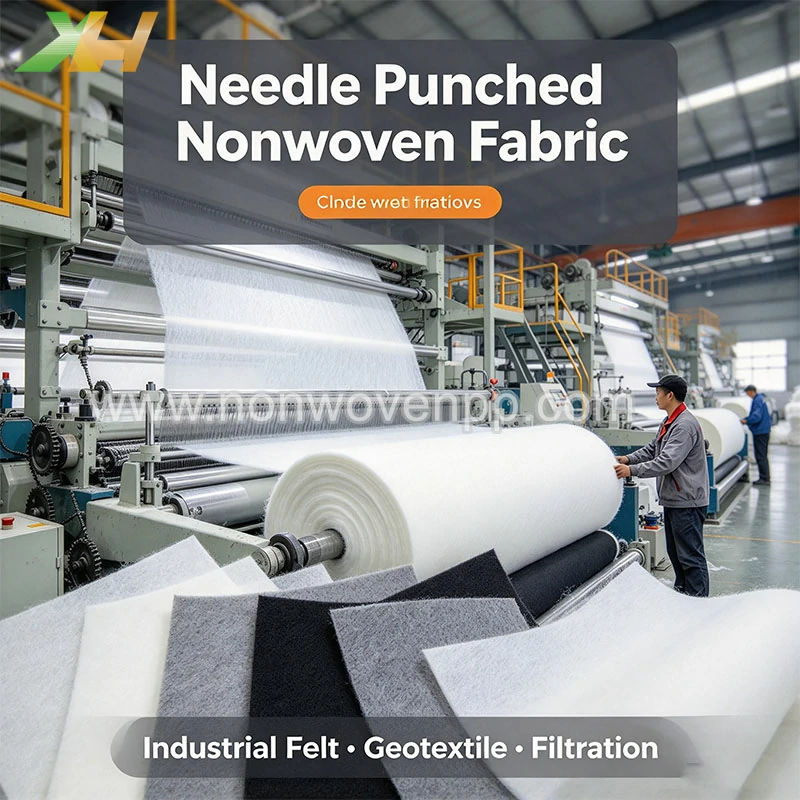
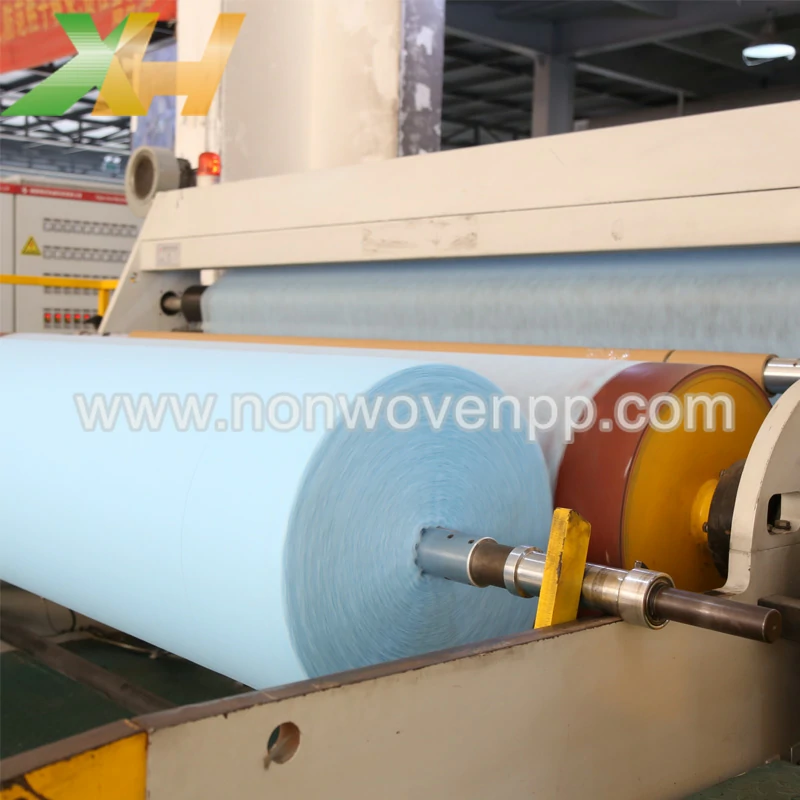
As a primary manufacturer with full-scale production lines—including spunbond, needle-punched, and spunlaced nonwovens—Xinhua Textile has served hundreds of traders and brand clients worldwide. We are well-versed in the common pitfalls encountered during procurement in this industry. This article breaks down the 7 most frequent pain points faced by nonwoven fabric sellers and offers actionable solutions from the manufacturing perspective, helping you reduce hidden losses, secure repeat business, and expand your overall profit margins.
Pain Point 1: Misrepresented Fabric Weight and Adulterated Raw Materials—Hidden Losses Behind Low Prices
Common Issues
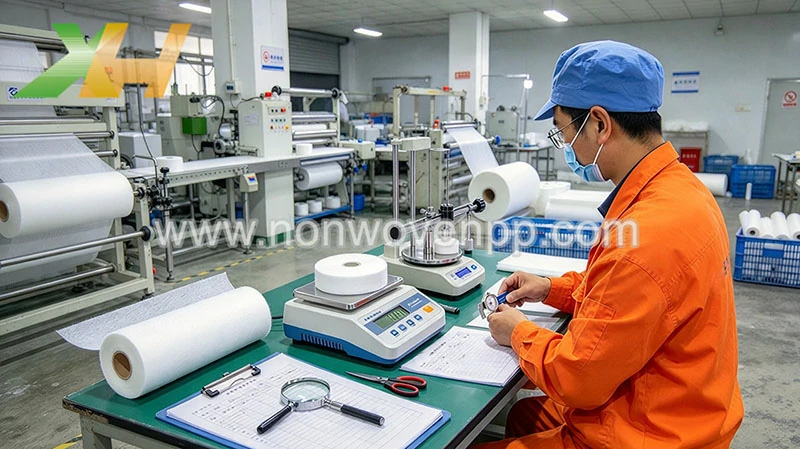
Some suppliers attract orders with low prices, only to deliver products where the actual weight deviates from the stated specification by more than 10%—for instance, a product labeled as 80g might weigh less than 70g. Worse yet, some manufacturers use recycled materials or fillers instead of virgin polypropylene (PP) or polyester (PET). This results in fabric riddled with black spots, a brittle texture, and poor structural integrity—causing the material to tear easily and fail to meet required standards for strength and durability.
Real-World Consequences
- Finished products fail to meet weight or thickness specifications, leading to the rejection and return of entire shipments.
- Higher waste rates during cutting, making the "cheap" material effectively more expensive than higher-quality alternatives.
- Poor end-user experience, damaging your brand reputation and causing a sharp decline in repeat purchases.
- Higher waste rates during cutting, making the "cheap" material effectively more expensive than higher-quality alternatives.
- Poor end-user experience, damaging your brand reputation and causing a sharp decline in repeat purchases.
Solutions from the Manufacturer
A reputable manufacturer ensures full traceability of raw materials, implements real-time monitoring of fabric weight, and conducts comprehensive quality testing for every production batch. Xinhua Textile exclusively uses brand-new, premium-grade raw materials, strictly avoiding any recycled or blended fillers. Throughout the production process, real-time weight monitoring ensures that the basis weight tolerance remains within ±5%. Every finished roll comes with a factory inspection report, providing transparent, verifiable data on key parameters such as basis weight, tensile strength, and fabric width—effectively eliminating the hidden losses often associated with "low-price traps."
Pain Point 2: Significant Quality Fluctuations Between Batches, Leading to Recurring Complaints from Long-term Clients
Common Issues
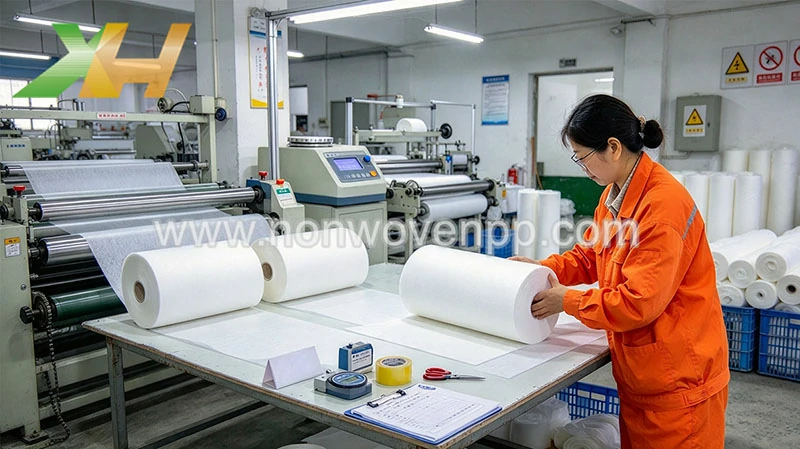
The quality of the bulk shipment fails to match the approved sample: color discrepancies, inconsistent tensile strength, and variations in hand-feel (softness/firmness). When reordering the same product, noticeable quality differences between batches force manufacturers to repeatedly adjust their downstream processes to make the material usable.
Actual Consequences
- Eroded trust among long-term clients, leading to a decline in repeat orders.
- Higher defect rates on production lines, resulting in wasted labor and materials.
- Forced absorption of additional costs—such as offering discounts or shipping replacement stock—to retain clients.
- Higher defect rates on production lines, resulting in wasted labor and materials.
- Forced absorption of additional costs—such as offering discounts or shipping replacement stock—to retain clients.
Root-Cause Solution
Consistent quality relies on fixed raw material formulations and standardized process parameters. Xinhua Textile maintains long-term supply agreements with upstream raw material manufacturers, ensuring consistent material grades and blending ratios. Every production line adheres to standardized process parameters, with key indicators—such as needle-punching density, hydro-entanglement pressure, and spunbond temperature—fully documented. Repeat orders utilize the exact same production formula, guaranteeing high consistency across batches and eliminating the need for re-testing with every new order.
Pain Point 3: Repeated Delivery Delays, Leading to Contract Breaches and Financial Penalties During Peak Seasons
Common Issues
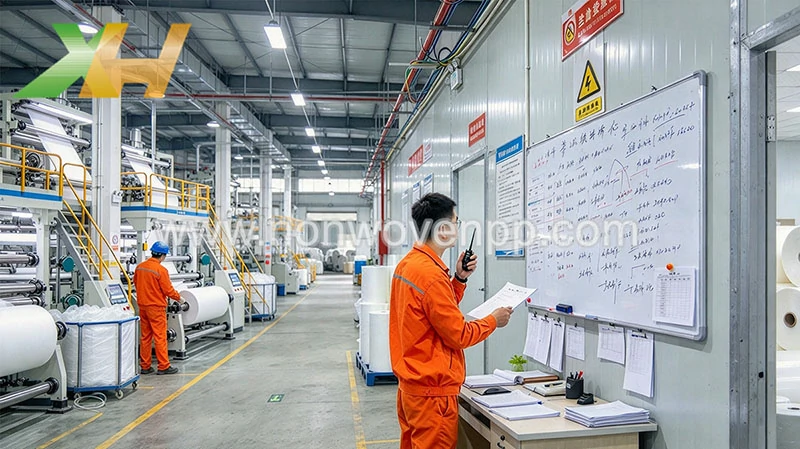
Initial promises of a 7–10 day turnaround stretch into 20 days or longer. During peak seasons, when production capacity is strained, smaller orders are indefinitely postponed. Suppliers fail to provide proactive progress updates, responding to inquiries only with vague assurances like "it's almost ready" or "please wait a little longer." Real-World Consequences
- Delays in product launches or project timelines, leading to potential contractual penalties and disputes.
- Missing out on critical sales windows during peak seasons, watching orders shift to competitors.
- Disruption of your own supply chain planning, accompanied by rising costs in warehousing, labor, and logistics.
- Missing out on critical sales windows during peak seasons, watching orders shift to competitors.
- Disruption of your own supply chain planning, accompanied by rising costs in warehousing, labor, and logistics.
Root-Cause Solution
Reliable delivery hinges on in-house production capacity and transparent scheduling. Xinhua Textile operates multiple independent production lines with substantial monthly capacity, capable of handling large-scale, long-term orders. We provide clear delivery timelines upon order placement, with real-time visibility into production progress. We maintain ready stock for standard specifications and prioritize urgent orders, ensuring stable delivery during peak seasons—so you never have to apologize to your clients for missed deadlines again.
Pain Point 4: Slow Response to Customization Requests, Leading Clients to Competitors
Common Scenarios
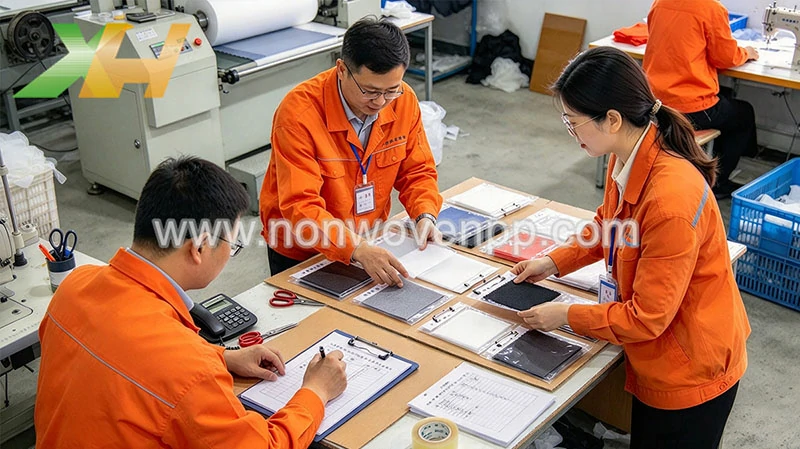
When clients require specific fabric weights, custom colors, or specialized functional finishes (such as UV resistance, hydrophilic treatment, flame retardancy, or anti-static properties), suppliers either lack the capability or take weeks just to provide a sample. Technical inquiries often result in "passing the buck," causing clients to lose patience and take their business elsewhere.
Real-World Consequences
- Inability to secure high-value, customized orders, forcing you to compete in a "race to the bottom" with low-margin, generic products.
- Clients perceive your business as unprofessional or incapable, leading them to look elsewhere for complex requirements.
- Severe product homogenization, leaving price wars as the only way to win orders—continuously eroding your profit margins.
- Clients perceive your business as unprofessional or incapable, leading them to look elsewhere for complex requirements.
- Severe product homogenization, leaving price wars as the only way to win orders—continuously eroding your profit margins.
Root-Cause Solution
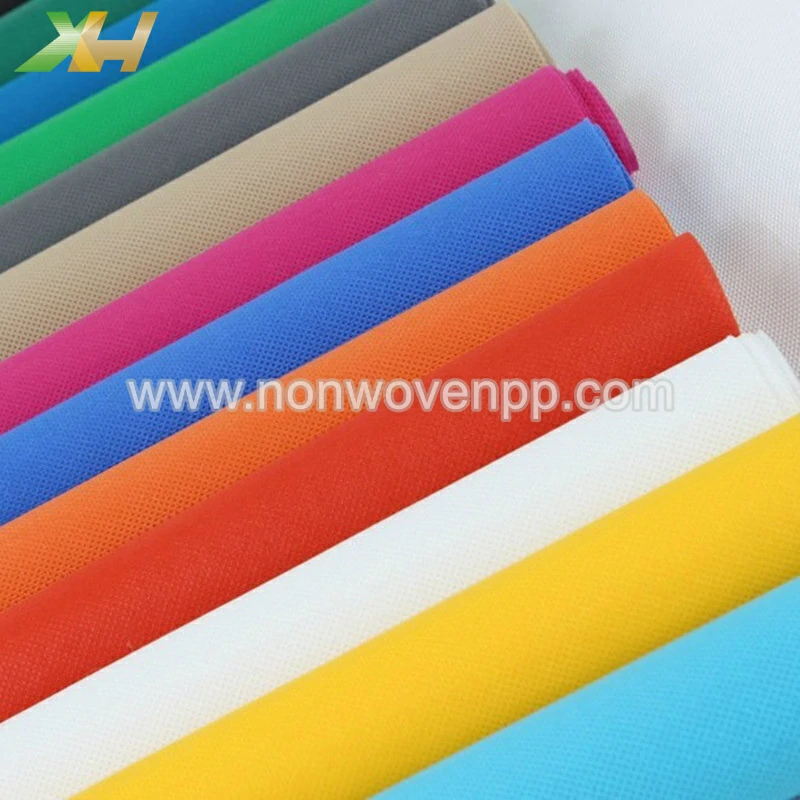
Customization capability depends on end-to-end in-house production and a robust technical team. Xinhua Textile offers full customization—from raw material composition, fabric weight, and width to specialized finishing processes, including singeing, calendering, water-repellent treatment, flame retardancy, and anti-static processing. Our technical team can develop material solutions tailored to your clients' specific application scenarios. With rapid sampling cycles and quick responses to custom requests, we help you secure more high-margin, differentiated orders.
Pain Point 5: Incomplete Export Certifications Leading to Customs Delays and Fines
Common Issues
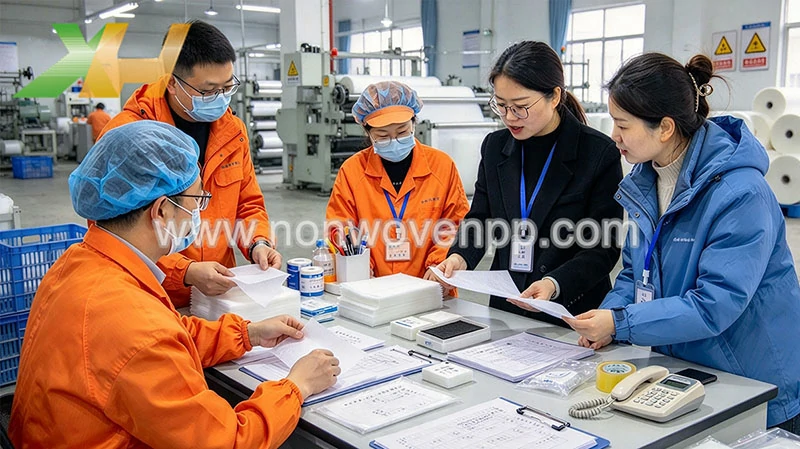
When fulfilling foreign trade orders, suppliers may fail to provide necessary compliance certifications—such as REACH, FDA, or ISO. Upon arrival at the destination port, shipments may be held by customs due to missing test reports or materials that fail to meet standards, potentially resulting in the goods being returned or destroyed. Furthermore, clients may demand compensation for shipping costs, port demurrage, and breach-of-contract penalties—turning a single order into a loss that wipes out the profits of several others.
Real-World Consequences
- Significant financial losses on individual orders, potentially leading to a net loss.
- Complete erosion of trust with overseas clients, ending long-term partnerships.
- Uncontrollable customs clearance risks, creating constant anxiety throughout the export process.
- Complete erosion of trust with overseas clients, ending long-term partnerships.
- Uncontrollable customs clearance risks, creating constant anxiety throughout the export process.
Root-Cause Solution
Export-oriented manufacturers should proactively build comprehensive compliance capabilities. Xinhua Textile provides third-party test reports that meet the entry standards of major global markets. We assist clients by supplying a full suite of export documentation and material certifications—covering diverse requirements such as food-contact safety, medical/hygiene supplies, and industrial environmental standards—clearing the path through regulatory hurdles and ensuring peace of mind during shipment.
Pain Point 6: Evasive After-Sales Support—Leaving You to Bear the Losses
Common Issues
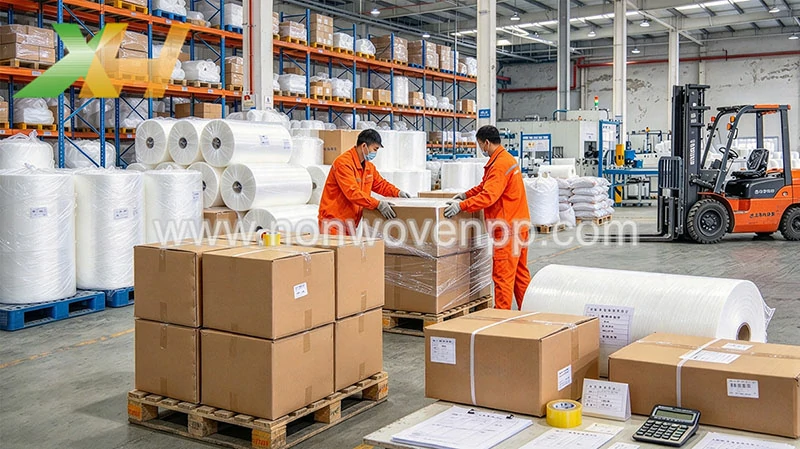
When goods arrive with issues—such as incorrect fabric weight, surface defects, or insufficient tensile strength—suppliers may deflect responsibility. They might blame logistics, claim the product was misused, or dismiss the defects as "standard industry variance." Alternatively, they may simply stall the process until the issue is forgotten, leaving the seller to shoulder the entire financial burden.
Real-World Consequences
- Direct financial losses that consume profit margins, potentially turning small orders into net losses.
- The need to offer concessions or reship goods to appease downstream clients, effectively doubling your costs.
- A complete lack of confidence in the partnership, forcing you to start the risky, trial-and-error process of finding a new supplier.
- The need to offer concessions or reship goods to appease downstream clients, effectively doubling your costs.
- A complete lack of confidence in the partnership, forcing you to start the risky, trial-and-error process of finding a new supplier.
Root-Cause Solution
A reliable manufacturer takes full responsibility for its product quality. Xinhua Textile has established a robust after-sales response mechanism, with a dedicated point of contact assigned to every client. Upon receiving quality-related feedback, we immediately verify production records and retained samples. If the issue is determined to be our responsibility, we provide compensation—such as price adjustments—without evasion or delay. We ensure you no longer have to shoulder supply chain risks alone. Pain Point 7: Lack of Technical Expertise – Unable to Answer Customer Inquiries
Common Scenario
When customers ask questions like, "What fabric weight is appropriate for this application?", "Is it UV-resistant enough for two years of outdoor use?", or "Should I choose a hydrophilic or water-repellent finish?", sellers often find themselves unsure. They end up giving vague, non-committal answers. When faced with a technically savvy customer, the seller’s inability to provide clear information makes them appear unprofessional—inevitably causing the loss of the sale.
Real-World Consequences
- Low conversion rate for professional/technical clients; you are relegated to competing solely on price.
- Inability to offer expert guidance on product selection, preventing you from increasing the average order value.
- Reluctance to explore new product categories for emerging applications.
- Inability to offer expert guidance on product selection, preventing you from increasing the average order value.
- Reluctance to explore new product categories for emerging applications.
The Root-Level Solution
A great supplier does more than just sell products—they serve as your technical backbone. Xinhua Textile features a professional technical sales team that assists you in providing product selection advice, solution design, and parameter comparisons. From fabric weight and material composition to functional treatments, we help you identify the optimal solution. This ensures you can answer customer questions with confidence and precision, significantly boosting your professional credibility and making it easier to secure high-value orders.
Why Direct Sourcing from the Manufacturer Is the Ultimate Solution
Many sellers run into trouble because they work with intermediaries or trading companies that lack control over the production process. This leads to multiple layers of price markups, an inability to guarantee quality, unreliable delivery timelines, and a lack of accountability for after-sales support. By working directly with the source manufacturer, you gain:
1. Greater price transparency: No markups from intermediaries—just direct factory pricing, allowing for better cost control.
2. Traceable quality: Full oversight from raw materials to finished products, with the ability to pinpoint the root cause of any issues.
3. More stable lead times: Production is managed through in-house capacity, eliminating reliance on third parties.
4. Flexible customization: Production lines can be adjusted directly, ensuring faster response times.
5. Reliable after-sales support: The factory assumes direct responsibility, with a shorter, more efficient communication channel.
Choose Xinhua Textile as your stable supply chain partner for non-woven fabrics.
Xinhua Textile is a primary manufacturer integrating the R&D, production, and sales of spunbond non-woven fabrics. Serving global traders, brands, and finished-product manufacturers, we are dedicated to addressing common procurement challenges by providing stable, reliable, and cost-effective non-woven materials. We offer our seller partners:
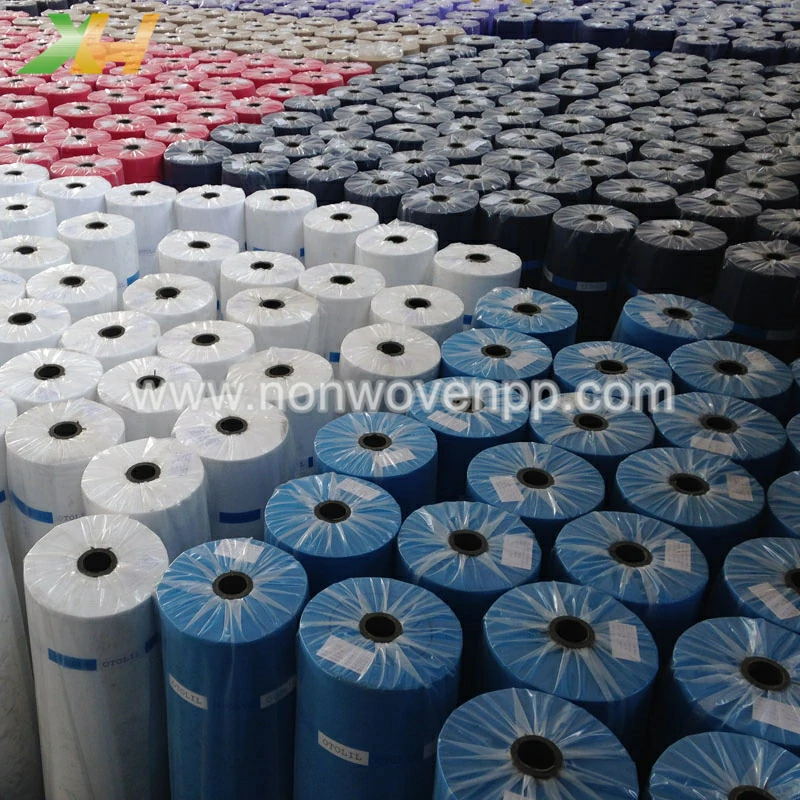
- ✅ A comprehensive range of non-woven fabrics, with standard specifications always in stock.
- ✅ A rigorous quality control system, with factory test reports provided for every batch.
- ✅ Flexible MOQ support—we handle everything from small trial orders to large-scale production runs.
- ✅ Custom R&D capabilities to meet unique, differentiated product requirements.
- ✅ Full export qualifications and certifications to facilitate global trade.
- ✅ Dedicated one-on-one support, covering both technical guidance and after-sales service.
- ✅ Stable production capacity and scheduling, ensuring reliable delivery during peak seasons and for long-term orders.
Our Cooperation Process
1. Requirement Consultation: Share your application scenarios, target specifications, volume requirements, and delivery timelines.
2. Proposal & Quotation: Receive expert recommendations and direct-from-factory pricing.
3. Sample Confirmation: We send samples for your testing and client approval.
4. Bulk Ordering: Finalize the contract and schedule production.
5. Production & Delivery: Goods are shipped following quality inspection, accompanied by a full set of export documentation.
6. After-Sales Follow-up: We stay in touch to monitor product usage and promptly address any concerns.
If you are struggling with challenges in sourcing non-woven fabrics and are looking for a reliable, stable, and long-term manufacturing partner, reach out to Xinhua Textile. We provide free samples, technical specifications, and price quotes to help you resolve supply chain hurdles—allowing you to focus your energy on expanding your client base and growing your business.
Xinhua Textile — Your dependable partner in non-woven fabric production.
Needle-Punched Nonwovens | Manufacturing, Specifications, and Industrial Applications
Related blog