What are the uses of non-woven fabrics?
2025-12-02
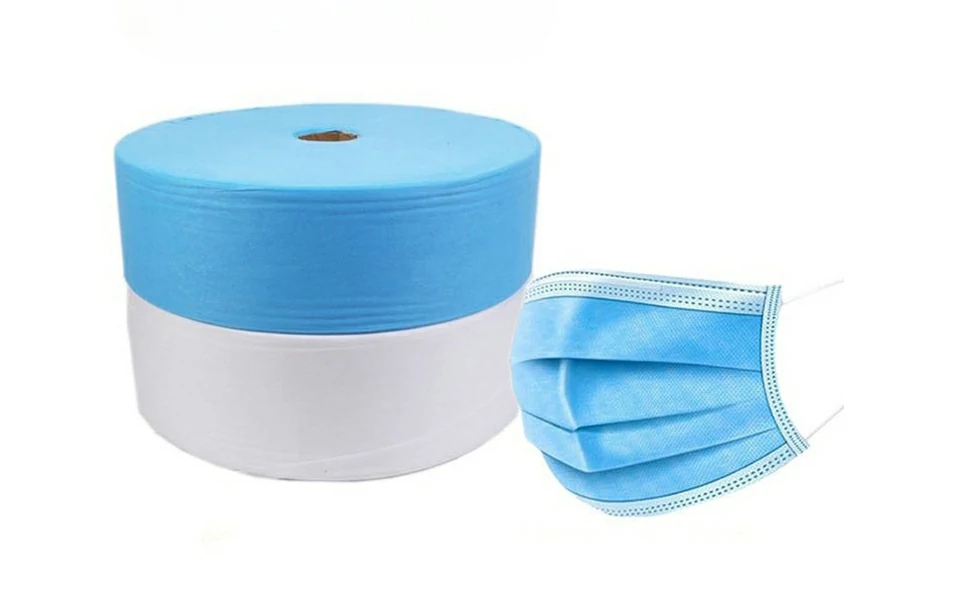
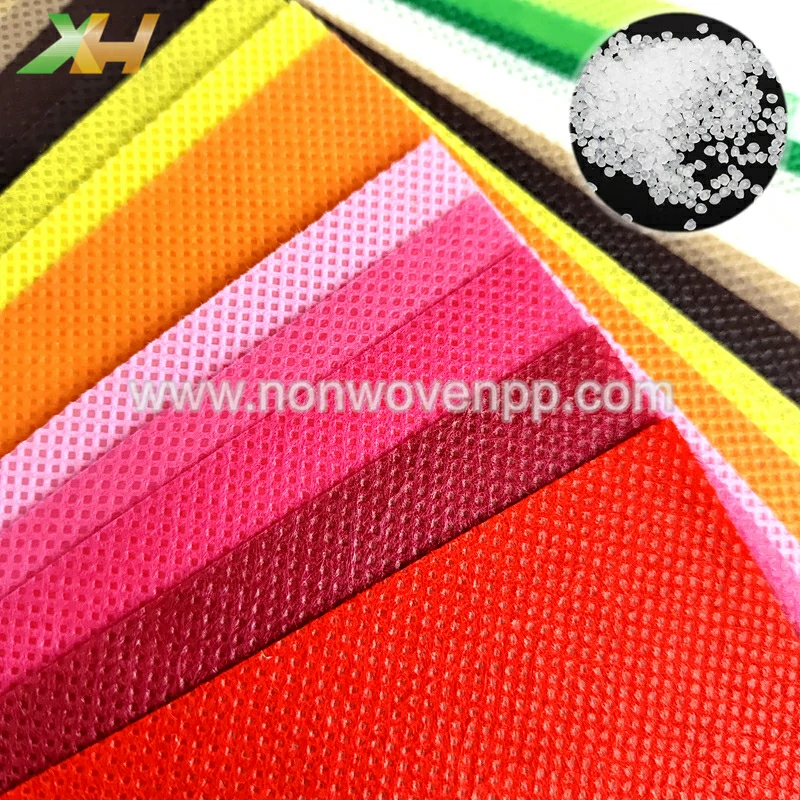
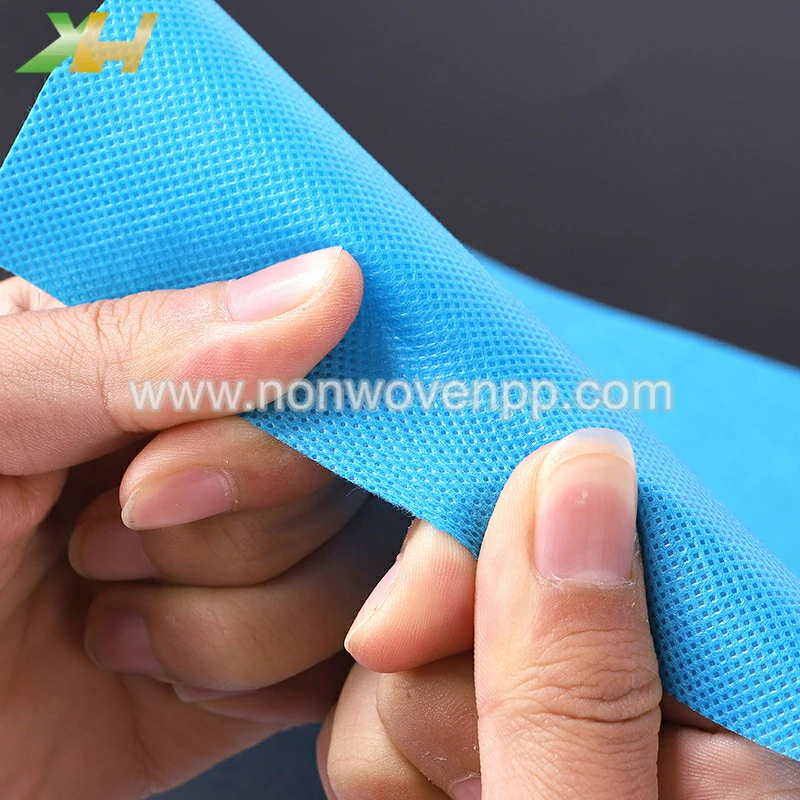
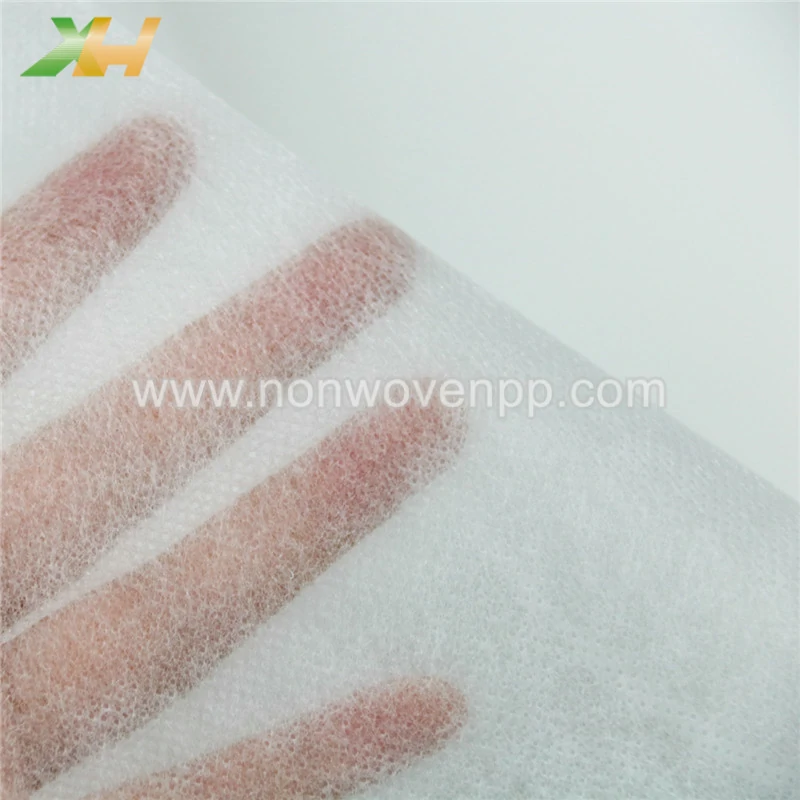
Nonwoven fabrics have a wide range of applications in numerous industries, including medical supplies (such as surgical gowns and masks), hygiene products (such as diapers and sanitary napkins), automotive products (such as filters and interior parts), and building products (such as geotextiles and insulation materials). In addition, they are also commonly used in household goods, personal care products (such as wet wipes), and various industrial and agricultural products. The main uses of nonwoven fabrics can be categorized as follows:
Medical Non Woven Uses: Surgical gowns, protective clothing, sterile dressings, masks , etc.
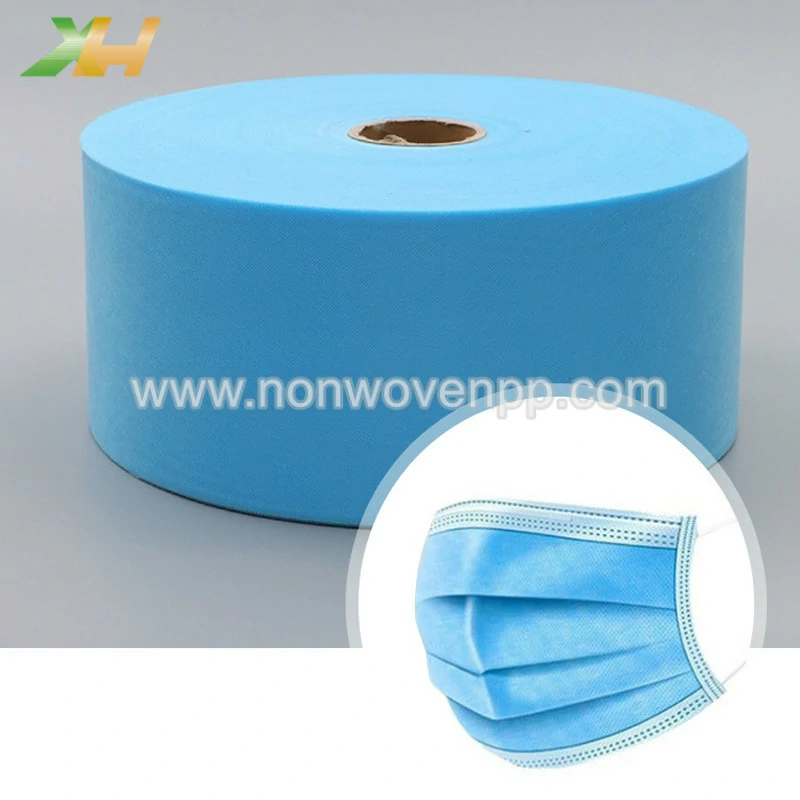
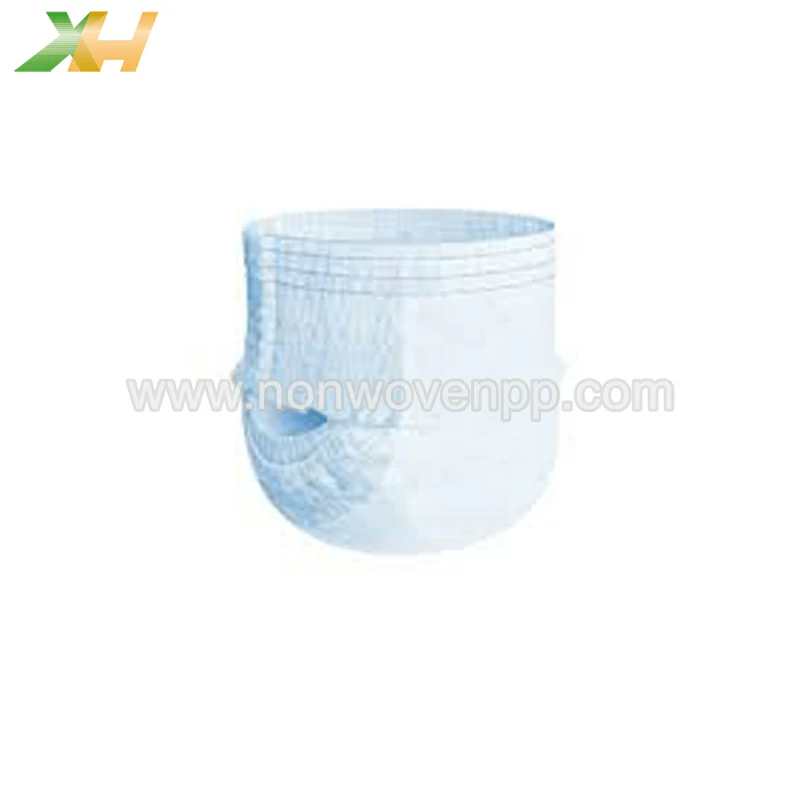
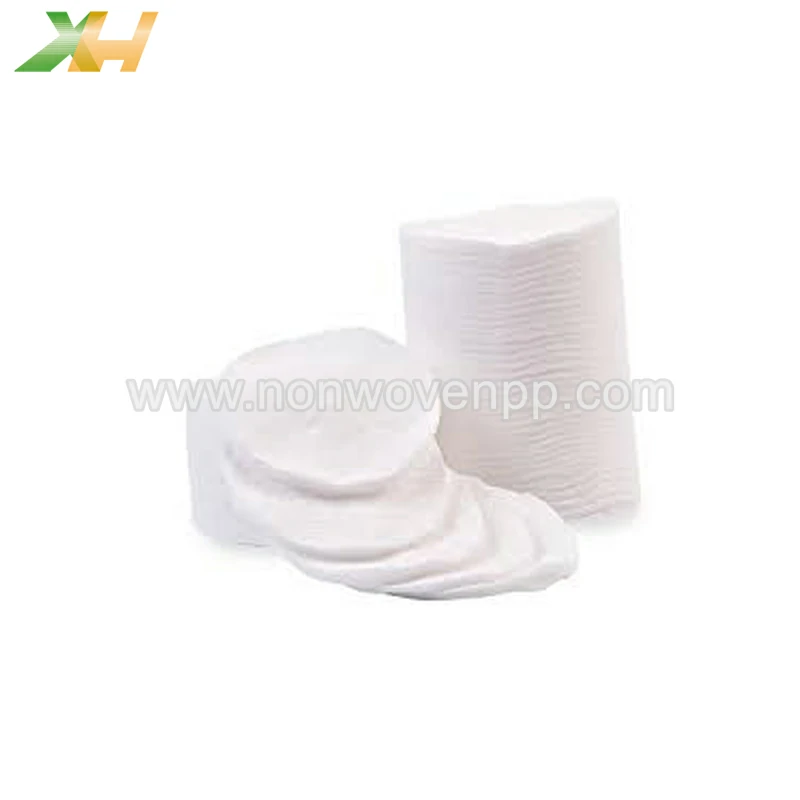
Personal Hygiene Care: Baby diapers, sanitary napkins, adult incontinence pants, nursing pads, baby wipes, pet wipes, wet and dry wipes, etc.
Clothing Applications: Clothing linings, interlinings, filling cotton, synthetic leather base fabrics, etc.
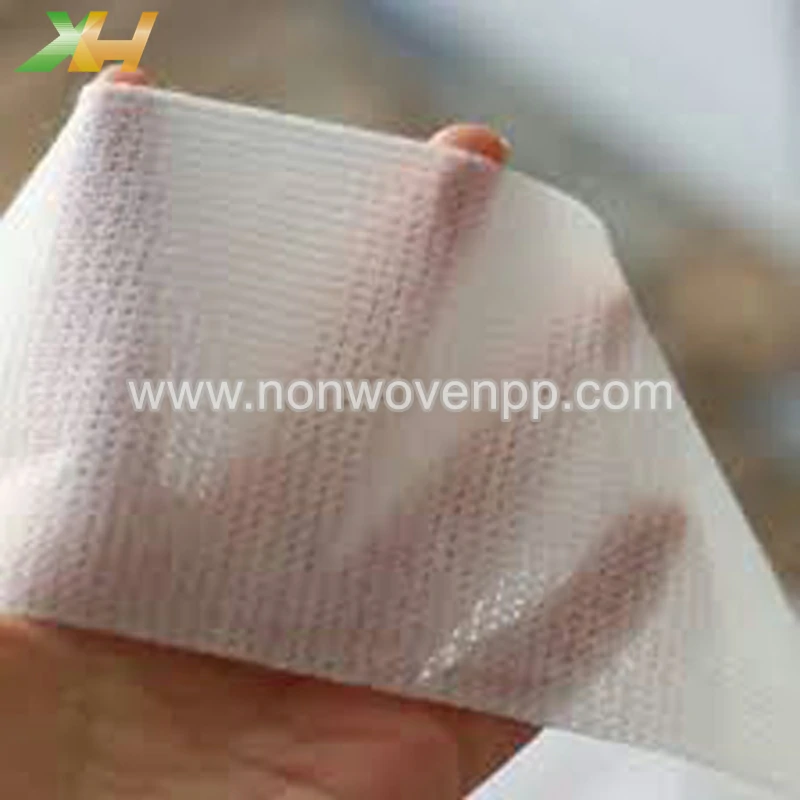
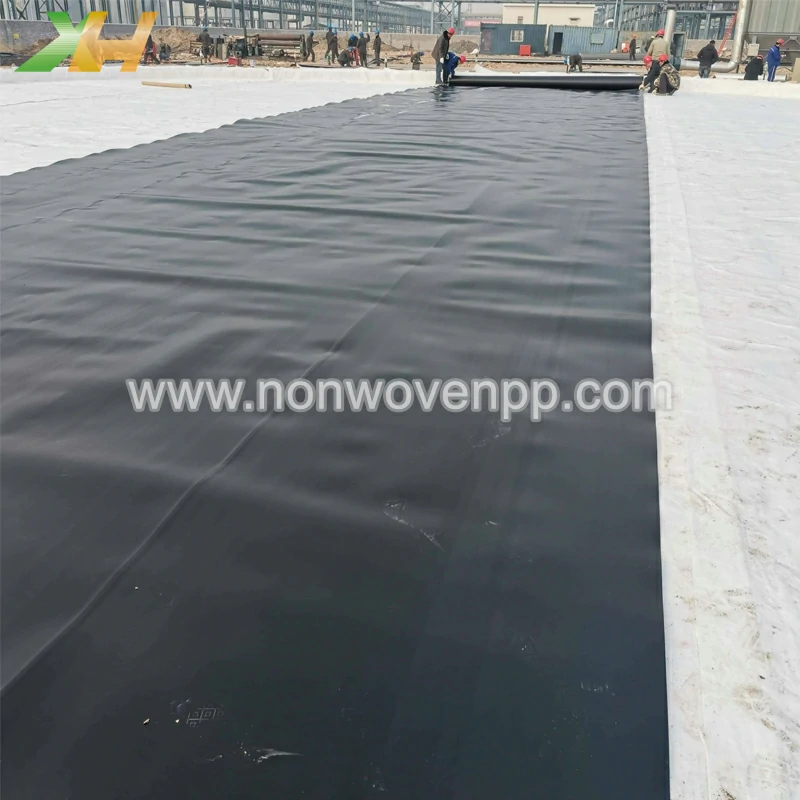
Industrial Applications: Filter materials, insulation materials, cement packaging bags, geotextiles, tarpaulins, etc.
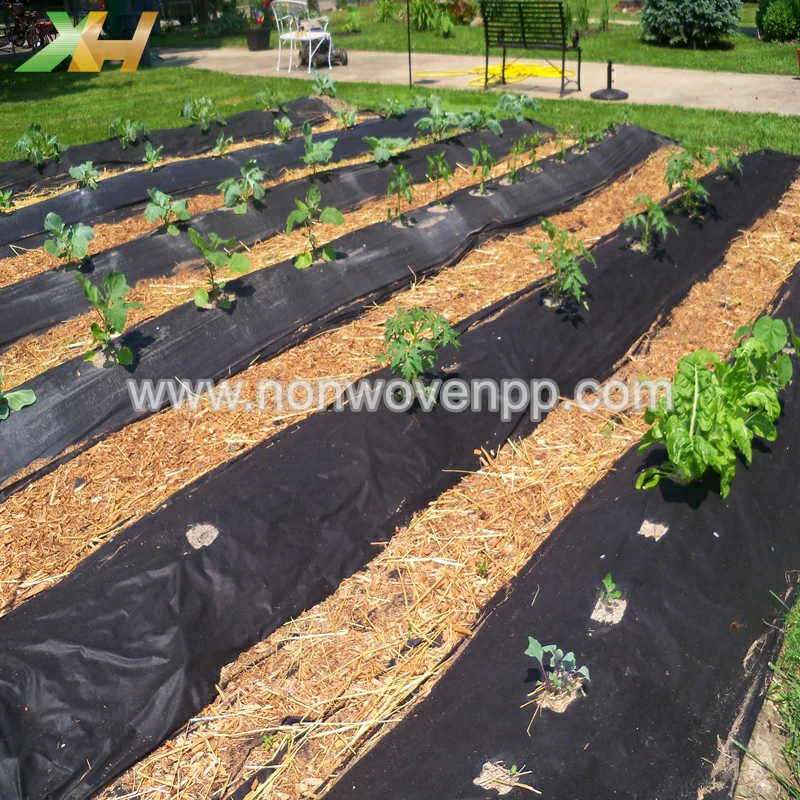
Agricultural Non Woven Applications: Crop protection fabrics, seedling fabrics, irrigation fabrics, thermal insulation curtains, etc.
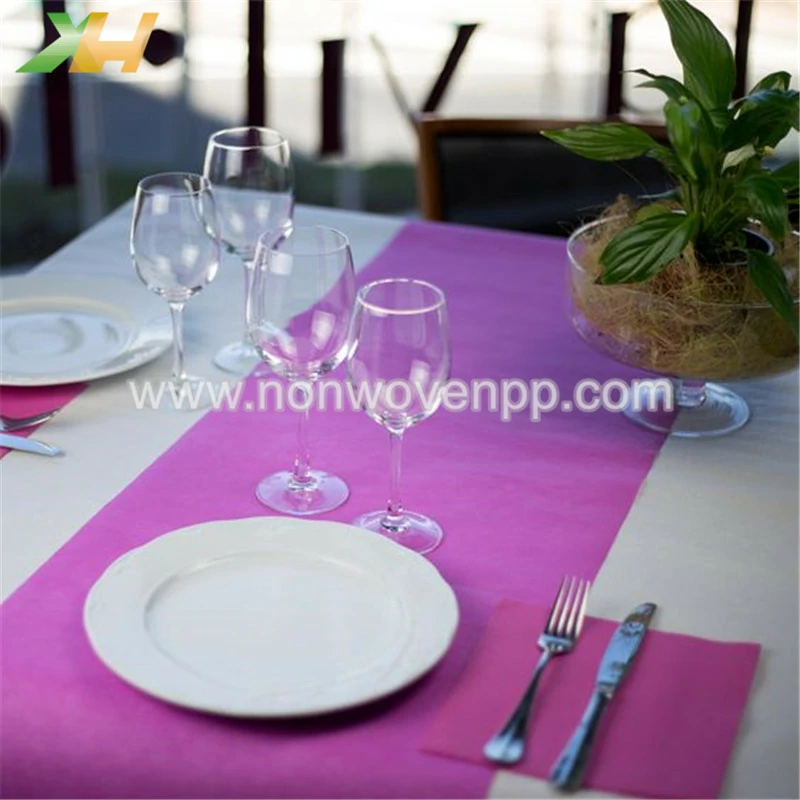
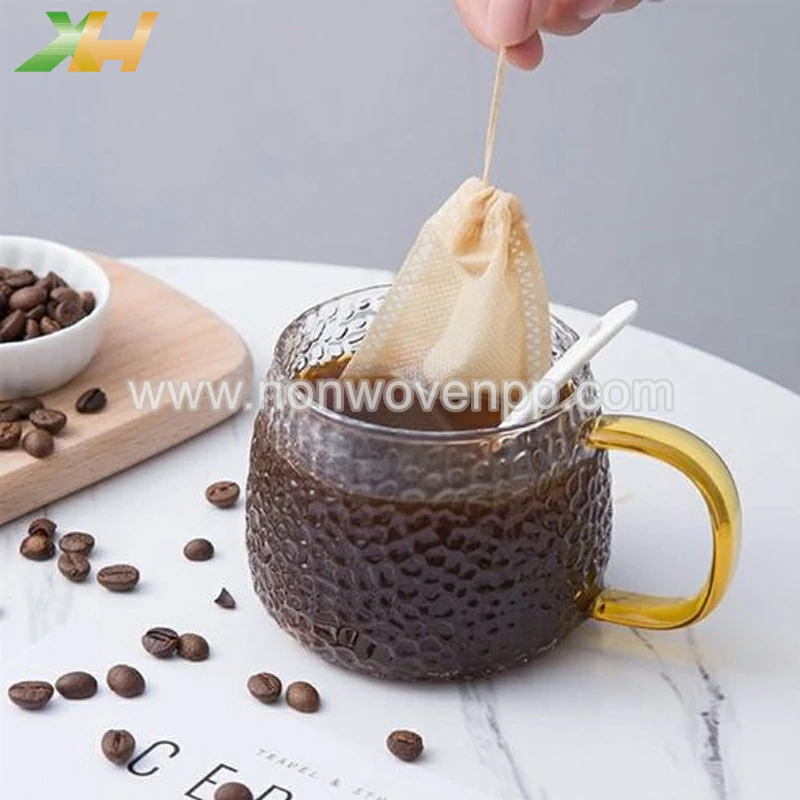
Other Uses: Space cotton, heat and sound insulation materials, oil-absorbing felt, cigarette filters, tea bags, etc.
The applications of nonwoven fabrics are extremely wide-ranging, from everyday consumer goods to industrial fields; their presence is ubiquitous. Driven by global environmental trends, the use of environmentally friendly nonwoven fabric raw materials aligns better with market development and consumer preferences. Among these, biodegradable cotton fiber materials have significant advantages in this area.
Does non-woven fabric have elasticity?
What are the classifications of nonwoven fabrics?