Three common types of non-woven fabrics
2026-01-14
Nonwoven fabrics are primarily classified based on their manufacturing process, with the following three being common basic types:
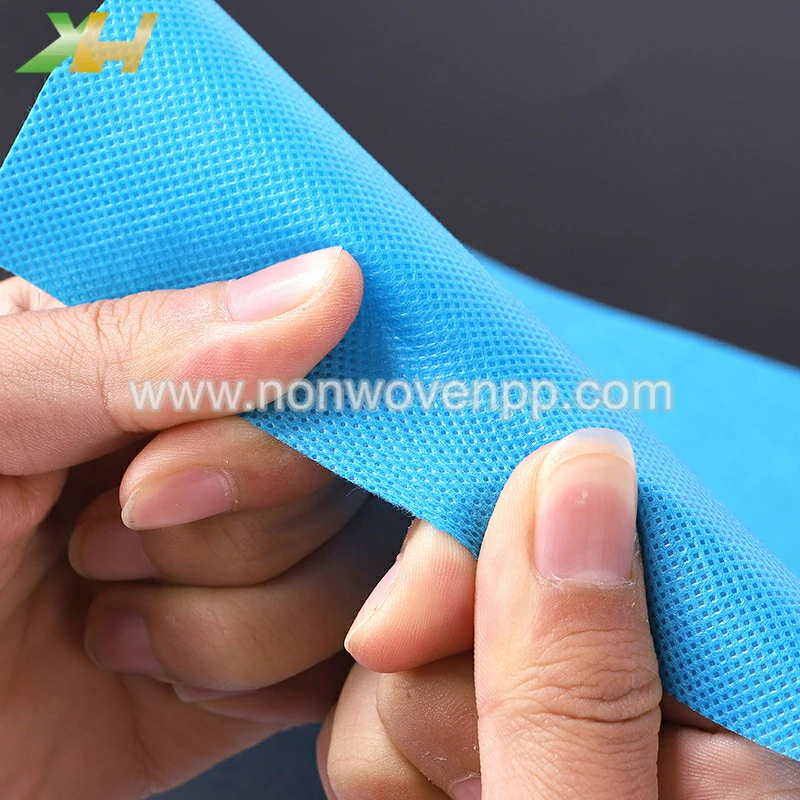
Made by extruding molten polymer into continuous filaments, which are then laid into a fiber web and reinforced through thermal bonding or chemical methods.
It features high strength, excellent uniformity, breathability, and moisture resistance, and is relatively low in cost.
Commonly used in shopping bags, protective clothing, agricultural covering materials, and the surface layers of hygiene products.

Produced by using high-pressure micro-fine water jets to spray the fiber web, causing the fibers to entangle and form a fabric-like material.
It is soft in texture, highly breathable, and does not use chemical binders in its production. Its appearance and feel are similar to traditional textiles.
Often used in wet wipes, medical dressings, beauty masks, and high-grade cleaning cloths.

Created by repeatedly piercing the fiber web with barbed needles, causing the fibers to mechanically entangle.
It has a fluffy, thick, and wear-resistant structure, with a texture similar to felt.
Widely used in carpet backings, filter materials, geotextiles, and automotive interiors.

In addition to the above three types, nonwoven fabrics also include many other manufacturing processes. They are diverse in type and material, each possessing unique properties and applications.
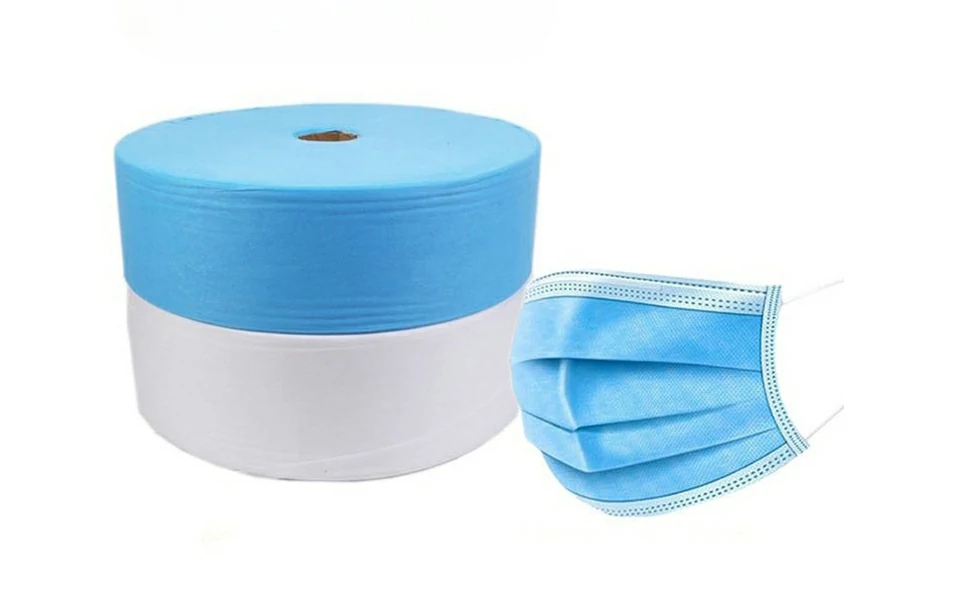
Raw Material for Face Mask, PP Spunbond, Meltblown, Nose Wire & Earloop
Does non-woven fabric have elasticity?