Non-woven fabric raw materials
2025-11-17
The definition of nonwoven fabric (also known as non-woven cloth) dictates that its raw material sources are extremely diverse. Simply put, any material that can be made into fibers can essentially be used as a raw material for nonwoven fabrics.
These raw materials are mainly divided into three categories: natural fibers, chemical fibers, and functional/specialty fibers.
I. Main Raw Material Classification
1. Natural Fibers
Cotton Fiber: Soft, skin-friendly, highly absorbent, and biodegradable. Commonly used in high-end wiping cloths, cotton pads, medical gauze, etc.

Wood Pulp/Paper Pulp: Excellent moisture absorption, soft, and low cost. Mainly used in the absorbent core of wet wipes, sanitary napkins, and diapers (often combined with chemical fibers).

Hemp Fiber: High strength and good antibacterial properties; used in some special composite materials.

Wool/Silk: Expensive; used only in a few high-end, luxury nonwoven products.

2. Chemical Fibers (Currently the Absolute Mainstay of the Nonwoven Fabric Industry)
This is the most widely used type due to its stable, controllable, and cost-effective properties.
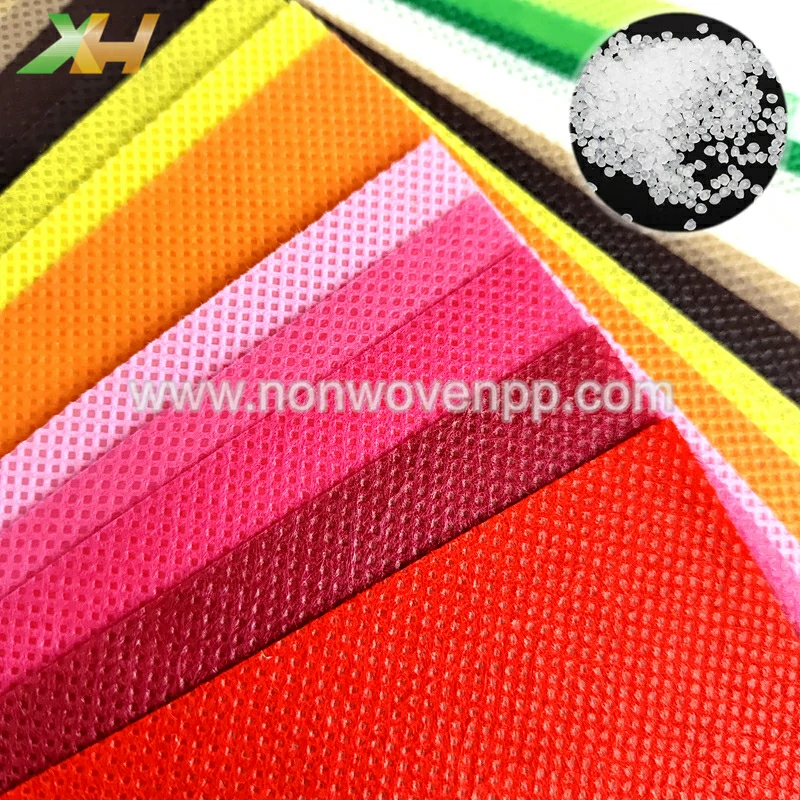
Polypropylene (PP): A dominant force, accounting for over 50% of global nonwoven fabric raw materials.
Characteristics: Lightweight, low cost, good chemical stability (acid and alkali resistance), high strength, hydrophobic, and heat-bonded.
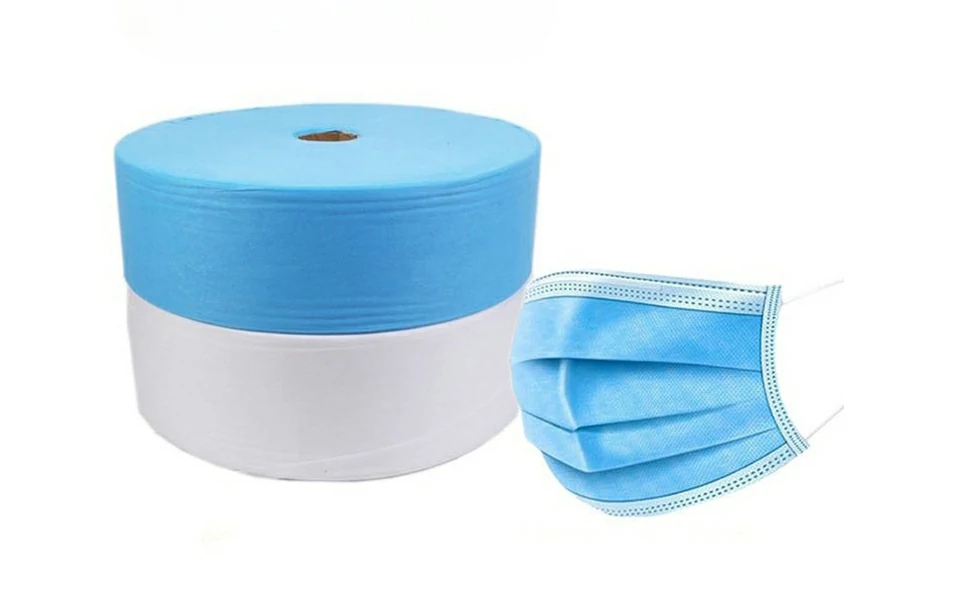
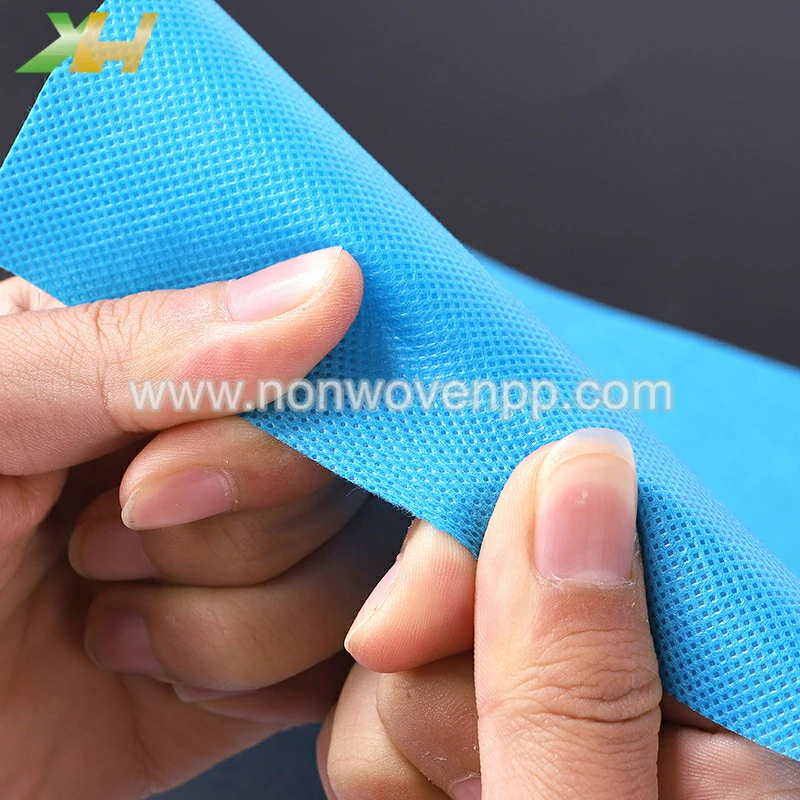
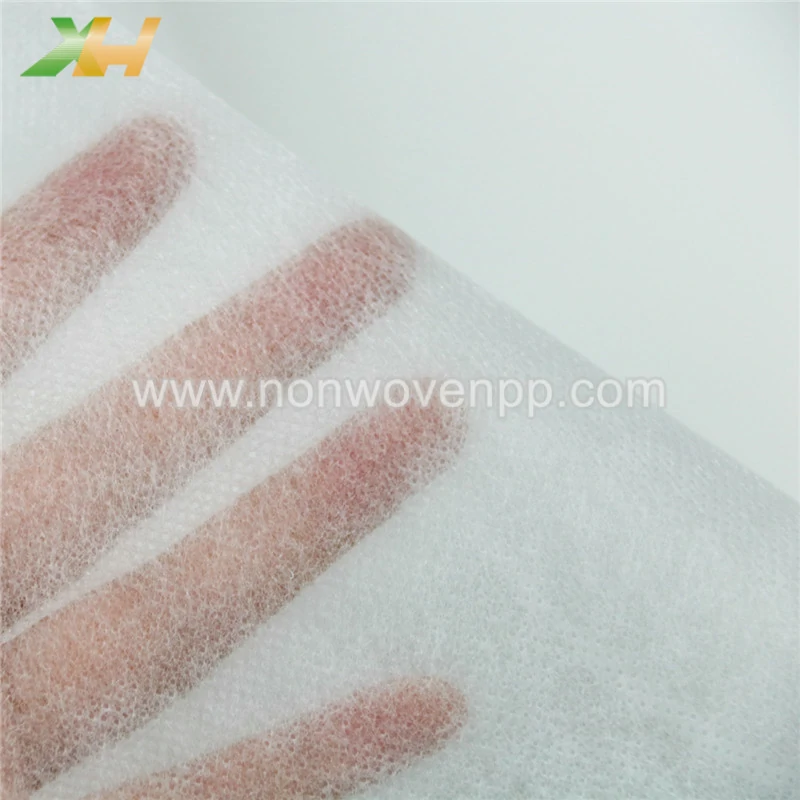
Applications: Top/bottom layers of medical protective clothing, masks, diapers and sanitary napkins, shopping bags, geotextiles. Common spunbond nonwoven fabrics (S) and meltblown nonwoven fabrics (M) are primarily made from PP.

Polyester (PET): The second most used raw material.
Characteristics: High strength, abrasion resistance, high temperature resistance, good elasticity and resilience, and good lightfastness.
Applications: Filter materials, linings, carpet base fabrics, geotextiles, synthetic leather base fabrics, and durable wiping cloths.

Polyethylene (PE):
Features: Very soft and waterproof.
Uses: Commonly used in PE films for composite materials, or as the sheath of "ES fiber" to provide thermal bonding.

Viscose Fiber: A type of regenerated cellulose fiber.
Features: Excellent moisture absorption, smooth hand feel, breathable, and biodegradable. Performance is similar to cotton, but more uniform.
Uses: Medical and hygiene products, wet wipes, high-end cleaning cloths; often blended with other fibers.

Polylactic Acid (PLA): A biodegradable plastic.
Features: Derived from corn, sugarcane, etc., it can be composted and degraded under specific conditions, making it environmentally friendly.
Uses: Eco-friendly packaging, biodegradable shopping bags, agricultural fabrics.

3. Functional/Specialty Fibers
ES Fiber: A core-sheath composite fiber, with a polyethylene (PE) sheath and a polypropylene (PP) core. PE has a low melting point and melts and bonds when heated, making the nonwoven fabric very soft and fluffy, widely used in the surface layer of diapers and sanitary napkins.
Antibacterial Fiber: Antibacterial agents (such as silver ions) are added during spinning, used in medical dressings, antibacterial wipes, etc.
Flame-retardant Fiber: Such as flame-retardant polyester and aramid, used in protective clothing and vehicle interior trim.
Activated Carbon Fiber: Possesses strong adsorption capacity, used in gas masks, air and water purification filter media.
Microfiber: Extremely fine fibers with excellent adsorption and wiping properties, used in high-end wiping cloths and artificial leather.
The selection of raw materials for nonwoven fabrics is a complex system engineering project that requires comprehensive consideration of various factors such as the end use of the product, performance requirements, production costs, and environmental regulations. Polypropylene (PP) dominates the market due to its excellent overall performance and low cost; while polyester (PET) is indispensable in fields requiring high strength and durability; natural fibers and bio-based fibers are playing an increasingly important role in markets that pursue softness, skin-friendliness, and environmental sustainability.
What are the classifications of nonwoven fabrics?
Can non-woven fabric be used for bouquet wrapping?