Is it better to choose non-woven fabric or woven fabric?
2025-12-10
As one of the world's oldest industries, the textile industry primarily classifies fabrics into two categories: woven fabrics (also known as knitted fabrics) and nonwoven fabrics (often called nonwoven fabrics).
Woven fabrics are made by interlacing warp and weft yarns at right angles, resulting in a strong and durable structure. Nonwoven fabrics, on the other hand, are typically made by bonding short fibers mechanically, thermally, or chemically, without traditional weaving processes.
I. What are Woven Fabrics?

Woven fabrics are made by interlacing two sets of yarns perpendicular to each other, with warp yarns running longitudinally and weft yarns running transversely. This interlacing structure gives them high strength and durability. Woven fabrics mostly use natural fibers such as cotton, linen, wool, and silk, and can also use synthetic fibers such as polyester and nylon. Common weaves include:
Plain weave: Warp and weft yarns interlaced alternately, resulting in a uniform and strong structure.

Twill weave: Yarns interlaced diagonally, creating a distinct diagonal pattern on the surface, resulting in a softer texture.

Satin weave: The yarns are sparsely interlaced, resulting in a smooth and lustrous fabric surface.

II. What is Nonwoven Fabric?

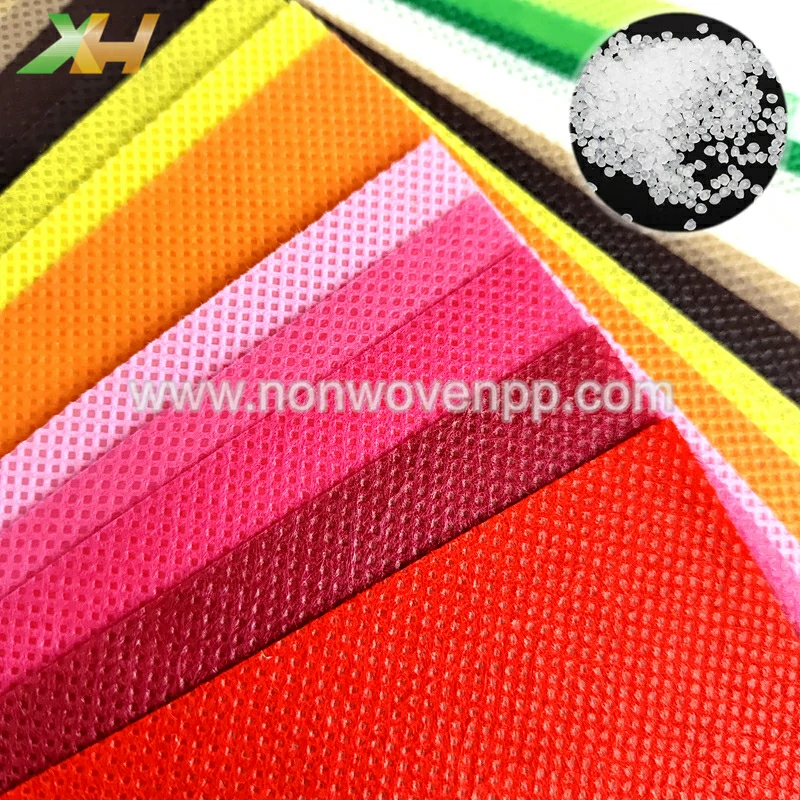
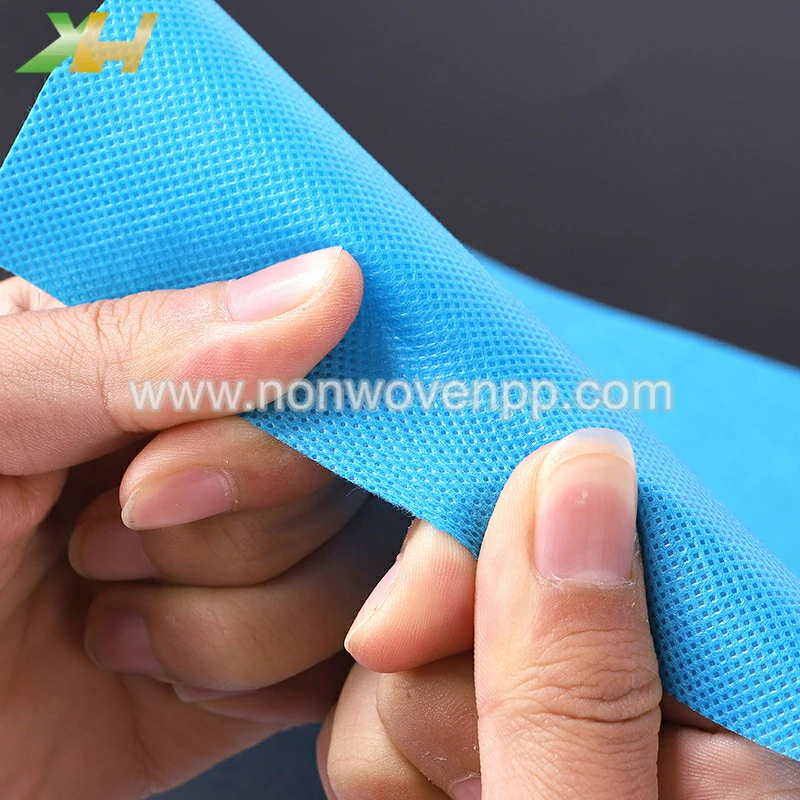
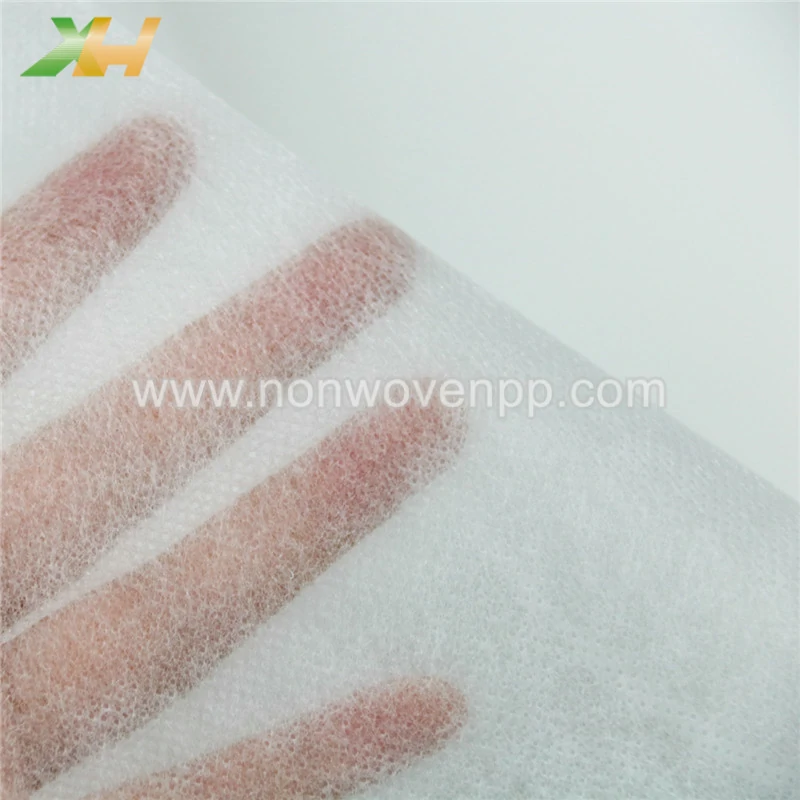
Nonwoven fabric is a sheet-like material made by directly bonding fibers into a web using mechanical, thermal, or chemical methods, without spinning or weaving. Its production process is flexible, allowing for adjustments to thickness, strength, and breathability to suit various applications.

III. Main Uses of Woven Fabrics
Clothing: Shirts, trousers, coats, and other everyday clothing, as well as functional clothing such as sportswear and diving suits.
Home Textiles: Curtains, drapes, bed sheets, etc., popular for their good drape and durability.
Furniture and Packaging: Furniture covers, tote bags, packaging materials, etc., benefiting from their tensile strength and shape retention.
Industry and Medical: Filters, geotextiles, surgical gowns, etc., suitable for applications requiring high strength and structural stability.
Others: Agricultural mulch, handicrafts, etc.
IV. Main Uses of Nonwoven Fabrics
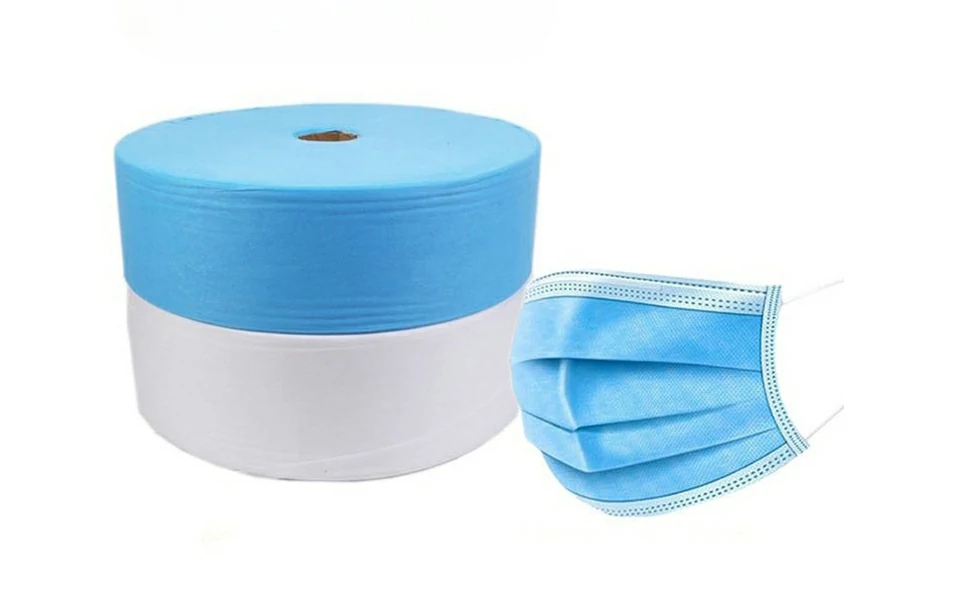
Medical and Health: Surgical gowns, masks, dressings, medical wipes, and packaging materials.
Home Furnishings & Decoration: Wall coverings, tablecloths, bedspreads, pillowcases, etc.
Industrial Sector: Air and liquid filtration materials, insulation layers, geotextiles for construction, abrasive substrates.
Apparel & Packaging: Clothing linings, shoe materials, shopping bags, garment storage bags.
Agriculture: Agricultural mulch film, seedling trays, covering materials.
Automotive: Seat fabrics, headliners, air filters and oil filters.
Others: Cosmetic tools, cleaning products, labels, etc.
V. How to Choose?
The choice between woven and nonwoven fabrics should be based on specific application requirements:
Woven Fabrics: Stable structure, high strength, good durability, suitable for applications requiring high shape retention, abrasion resistance, and appearance, such as outerwear, home decoration, and some industrial products.
Nonwoven Fabrics: Low cost, flexible production, breathable and absorbent, lightweight and easy to process, suitable for disposable or short-term use scenarios, and widely used in medical, hygiene, agricultural covering, filtration, and interior decoration fields.


Both have their own advantages and complement each other in different application scenarios to jointly meet diverse textile needs.
How to identify non-woven fabric?
How long can non-woven fabric be used?