How long can non-woven fabric be used?
2025-12-05

Nonwoven Fabric Comprehensive Characteristics and Application Guide
Nonwoven fabric, as a new type of material with diverse properties and wide applications, boasts the core advantage of combining durability, lightweight, breathability, and protection. This document aims to systematically explain its service life and key characteristics, providing a reference for selection and application.
I. Service Life Analysis
The service life of nonwoven fabric is not a fixed value, but mainly depends on its usage environment, material quality, and maintenance conditions. High-quality products, under proper use and storage, can last for months or even years.

For clarity, typical service life estimates under different environments are as follows:
| Environmental conditions | Typical lifespan | Key Explanation |
| Normal indoor use | Approximately 5 years | Avoid direct sunlight and damp indoor environments (such as shopping bags and storage items) to support long-term repeated use. |
| Outdoor natural exposure | Approximately 90 days | It degrades more rapidly under the influence of sunlight and wind and rain, and begins to decompose noticeably in about 3 months. |
| Ideal warehousing conditions | It may take longer | High-performance nonwoven fabrics (such as filament types) can maintain their performance for longer when stored in a cool, dry, and dark environment. |
Key Factors Affecting Lifespan:
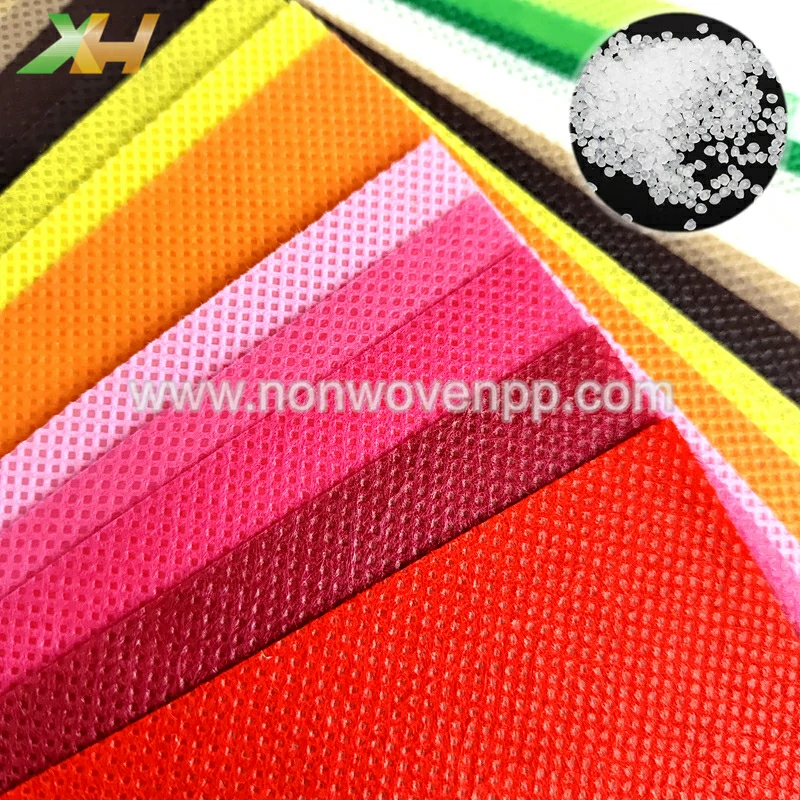
Material Type: The most common raw material is polypropylene (PP), which degrades more easily than traditional plastics under natural conditions; other materials such as polyester (PET) have varying degrees of durability.
Product Use: The design lifespan of reusable everyday items (such as packaging bags) differs significantly from that of disposable items (such as medical protective equipment).
Environmental Factors: Ultraviolet radiation is the primary cause of aging; humid and high-temperature environments also accelerate performance degradation.
Product Quality: Products with higher basis weight (thicker) and more refined manufacturing processes generally exhibit superior mechanical strength and durability.
II. Core Advantages and Characteristics
In addition to durability, nonwoven fabrics possess the following comprehensive advantages, supporting their cross-industry applications:
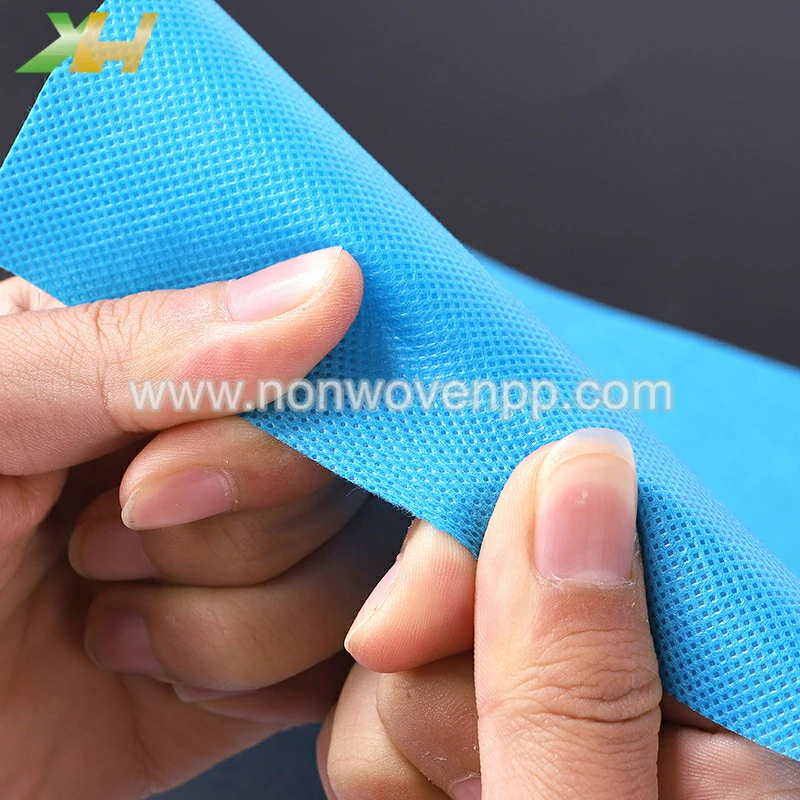
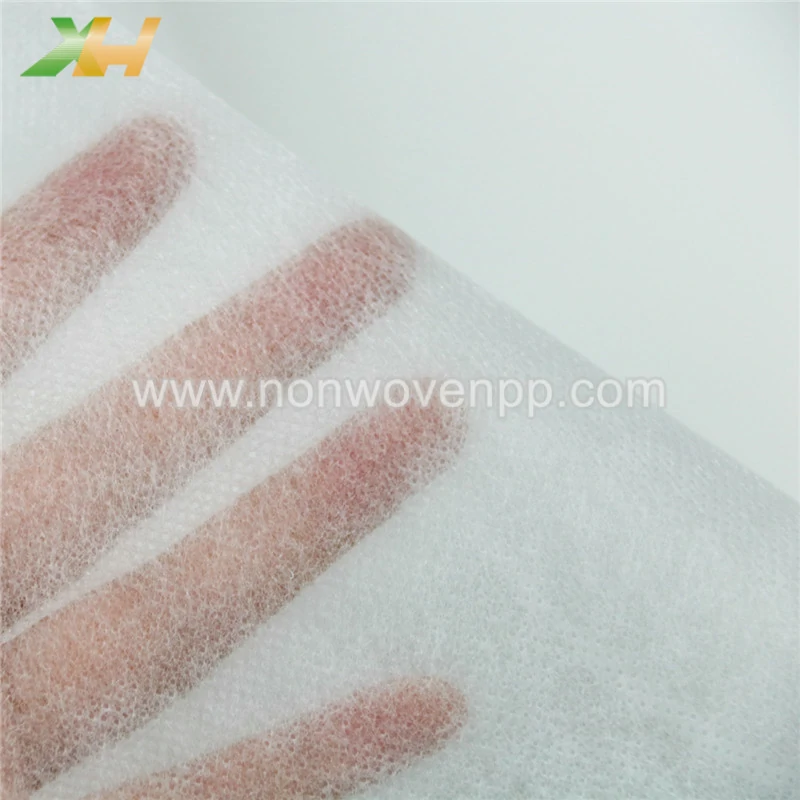
Lightweight and Breathable: Lightweight and flexible, suitable for weight-sensitive applications (such as medical protective equipment); excellent breathability facilitates air exchange, making it suitable for agricultural coverings and other fields.
Waterproof and Leak-proof: With appropriate treatment, it possesses excellent barrier properties, suitable for applications requiring liquid penetration prevention, such as building moisture protection and product packaging.
Easy to maintain: Most nonwoven products can withstand multiple washes and are not easily deformed or damaged, facilitating reuse and aligning with environmental protection principles.
III. Main Application Scenarios
The properties of nonwoven fabrics make them a preferred material for many industries:
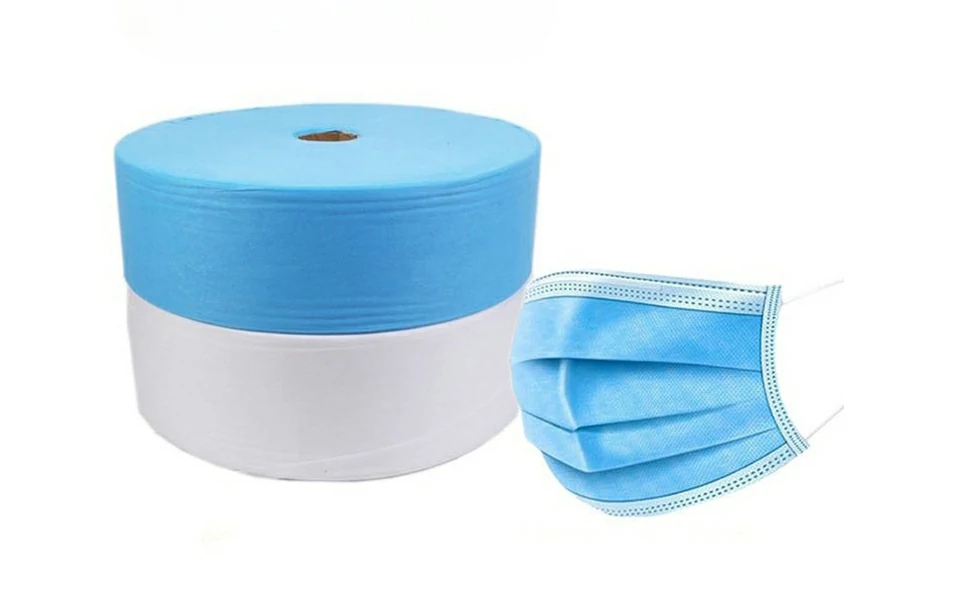
Medical and Health: Used in the manufacture of disposable items such as masks, protective clothing, and surgical gowns, balancing protection, breathability, and comfort.
Automotive and Construction: Used in automotive interiors, furniture fabrics, and temporary coverings for construction sites, leveraging their durability, waterproofness, and adaptability.
Packaging and Agriculture: Provides protection as a lightweight and sturdy packaging material; used in agriculture as a covering material to regulate temperature and humidity and prevent weeds.
IV. Selection Recommendations
Daily Reusability: For indoor applications such as shopping bags and storage, choose products with a thick feel and strong stitching for a longer lifespan.
Concern for Environmental Degradation: Considering the environmental impact after disposal, it's important to know that nonwoven fabrics decompose much faster in the natural environment than traditional plastics (starting to break down after approximately 3 months).
For specific industrial or medical applications: Strict adherence to the product's provided technical parameters and usage specifications is essential. These materials undergo special processing, resulting in significant differences in performance and lifespan.
Non-woven fabrics are a versatile, adaptable, and sustainable material. Understanding the factors influencing their lifespan and selecting the appropriate material for the specific application can maximize their effectiveness.

Is it better to choose non-woven fabric or woven fabric?
Does non-woven fabric have elasticity?